Station 01 · Phase 1 · Proposed
Mechanics and motion
Physics: Verify Newton’s second law. Chemistry: Compare sliding friction of polymer surfaces. Biology: Analyze forces in a model limb.
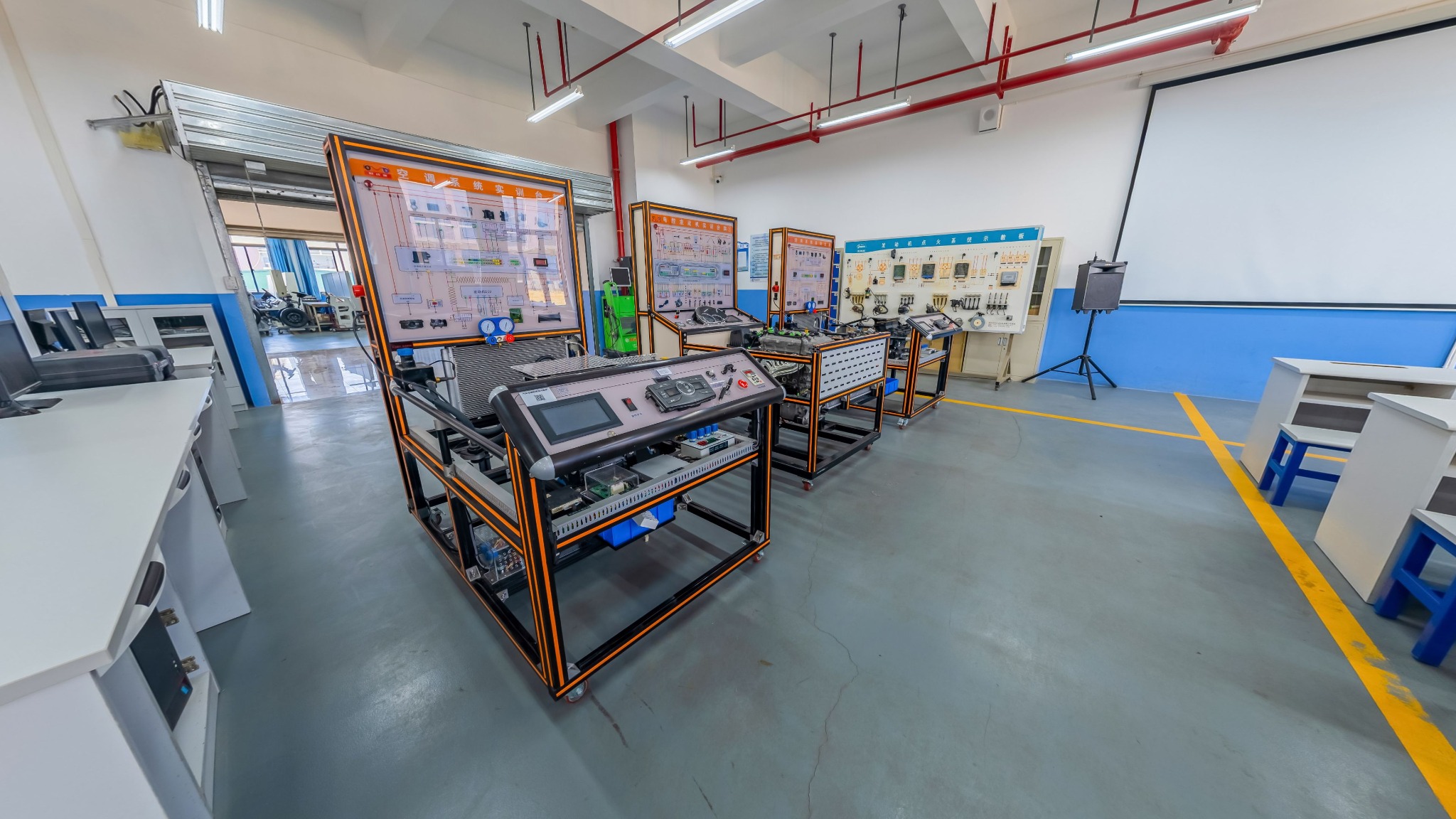
Equipment sought: Mechanics equipment, carts and tracks, motion detectors, force sensors, wireless Physics sensors, data acquisition systems and data loggers.
Relevant experiments: Position–time and velocity–time graphs; Newton’s second law; friction; impulse and momentum; collisions; work and energy; spring oscillations.
Remote access: Local setup and reset; live video and measured data; approved control where actuators are provided.
Station 02 · Phase 2 · Proposed
Thermal measurements
Physics: Fit a cooling curve. Chemistry: Compare heat transfer for water and dilute salt solution. Biology: Use a water phantom to model tissue cooling.
Equipment sought: Temperature sensors, wireless sensors, data loggers and data acquisition systems.
Relevant experiments: Heating and cooling curves; Newton’s law of cooling; thermal equilibration; comparison of heat transfer under controlled conditions.
Remote access: Technician-prepared setup with remotely viewed temperature traces.
Station 03 · Phase 3 · Proposed
Optical characterization
Physics: Measure laser wavelength by diffraction. Chemistry: Compare transmission through safe dye standards. Biology: Measure diffraction through a prepared wing specimen.
Phase 3 optical-bench work may draw on UV–Vis capability commissioned in Phase 1.
Equipment sought: Programmable UV–Visible spectrophotometer, optical benches and suitable light sensors; Raman and FTIR spectroscopy.
Relevant experiments: Absorbance and transmission spectra; wavelength-dependent optical response; reflection and refraction with suitable accessories; comparison of material spectra.
Remote access: Supervised spectral acquisition; approved parameter requests and downloadable spectra.
Station 04 · Phase 1 · Proposed
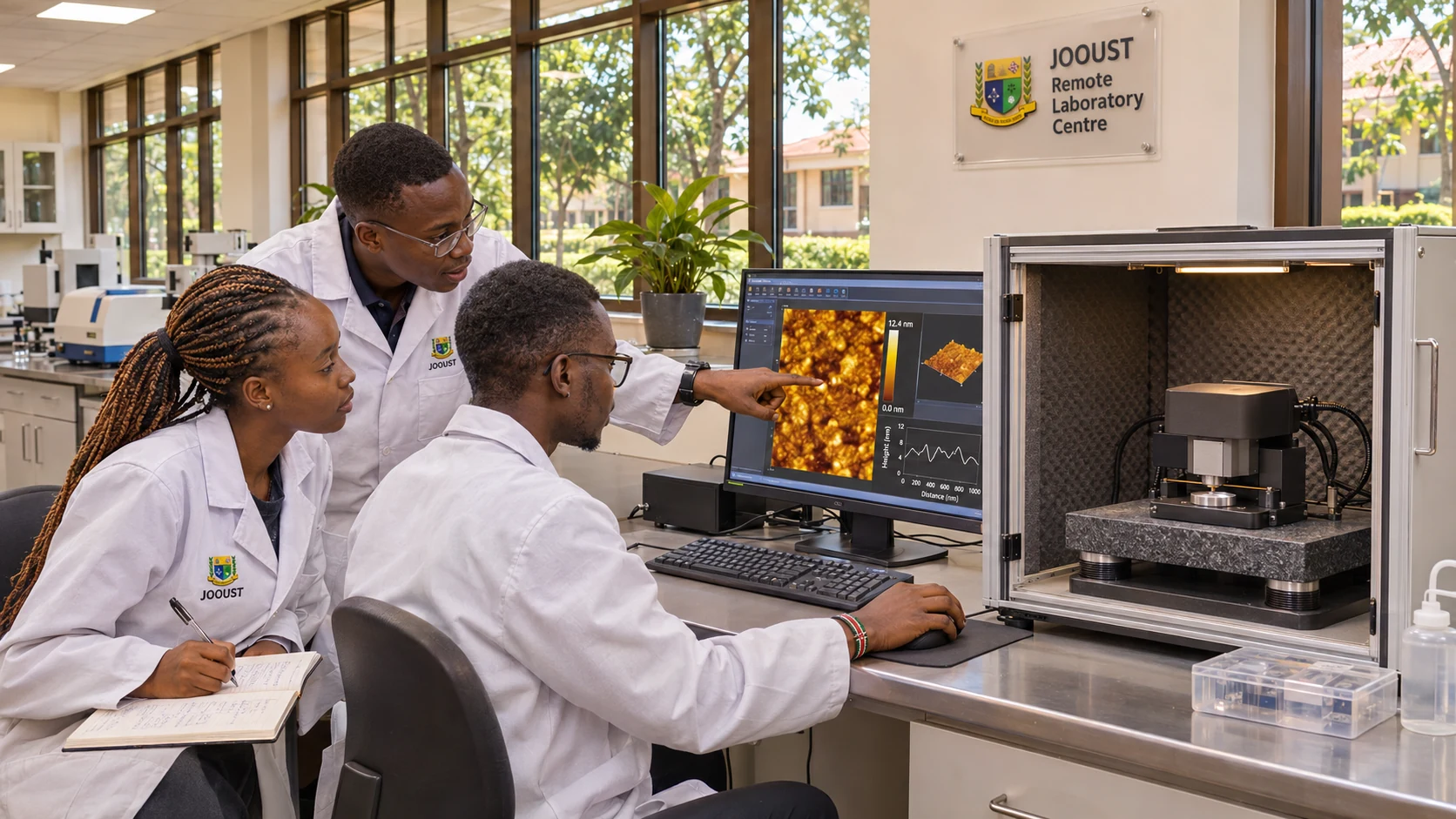
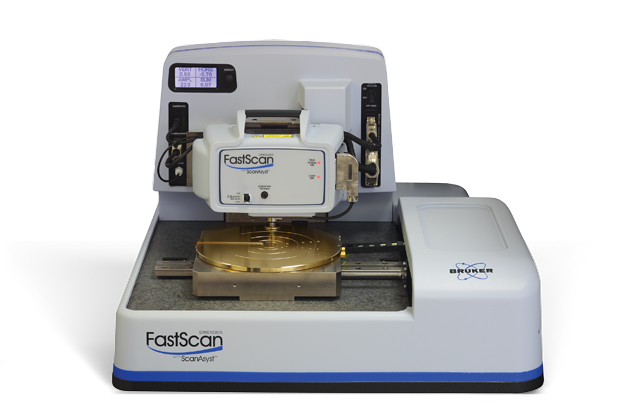
Atomic force microscopy (AFM)
Physics: Measure thin-film roughness. Chemistry: Compare surface texture of polymer coatings. Biology: Measure topography of a prepared cellulose film.
Equipment sought: Computer-controlled AFM, suitable probes, reference samples and vibration isolation.
Relevant experiments: Surface topography; roughness measurement; height profiles; particle or film feature analysis; force–distance demonstrations where supported.
Remote access: Technician mounts samples and establishes stable scans; remote viewing and approved scan requests.
Station 05 · Phase 2 · Proposed
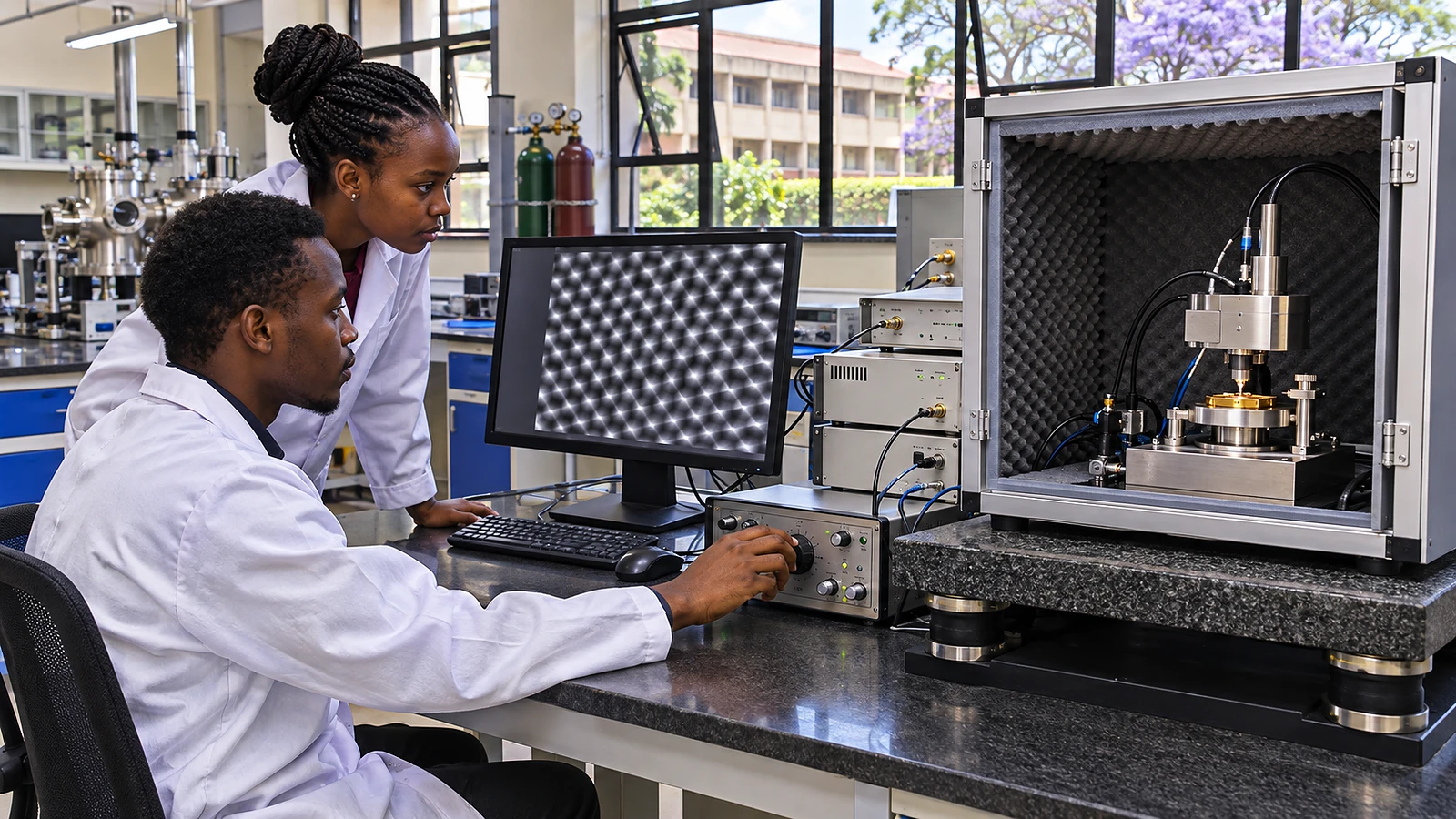
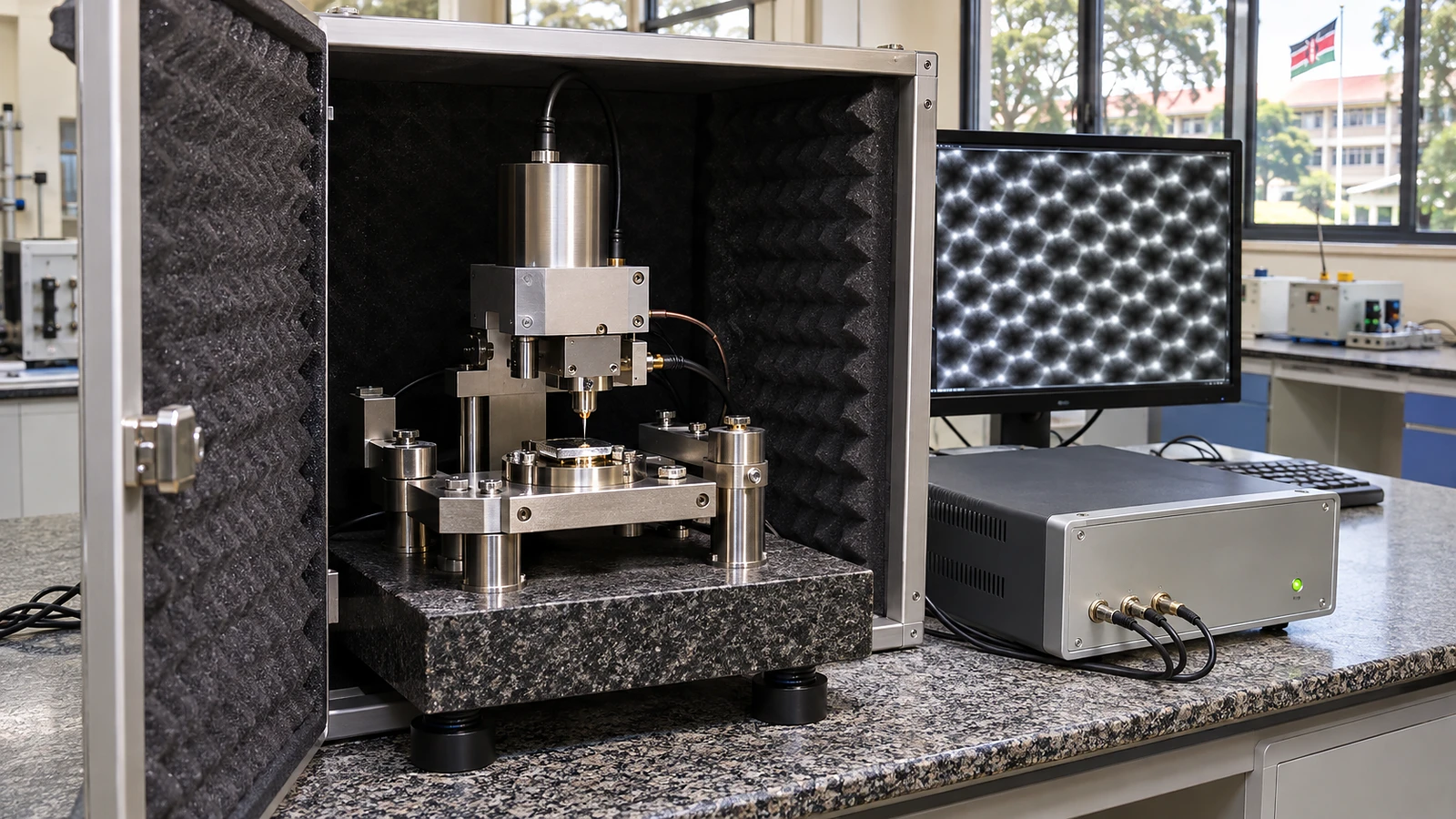
Scanning tunnelling microscopy (STM)
Physics: Fit tunnelling current versus distance. Chemistry: Compare graphite before and after a technician-applied surface treatment. Biology: Analyze graphite data as a conductive biosensor substrate case study.
Equipment sought: Computer-controlled STM, conductive reference specimens, appropriate tips and isolation.
Relevant experiments: Surface imaging of suitable conductive specimens; tunnelling-current response; comparison of scan settings; atomic-scale imaging where instrument and specimen conditions permit.
Remote access: Specialist-supervised demonstration with locally prepared tip and specimen.
Station 11 · Phase 2 · Proposed partner access
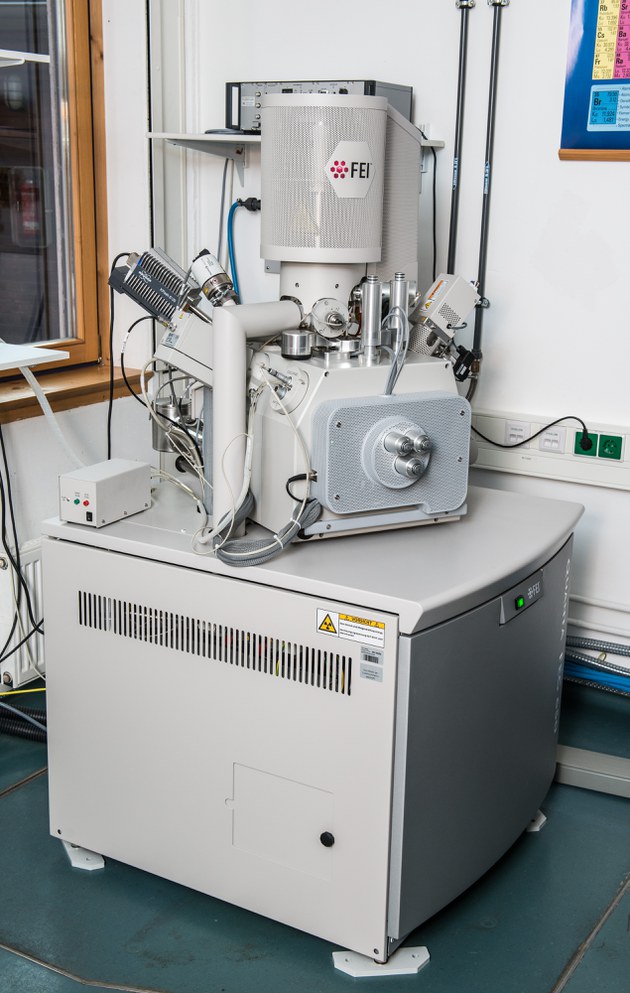
Scanning electron microscopy (SEM)
Physics: Compare detector contrast and charging in approved data. Chemistry: Compare morphology of prepared catalyst particles. Biology: Measure dimensions of prepared pollen or diatom specimens.
Partner access sought: Proposed SEM access at a partner facility, covering operator-led sessions, sample preparation and coating, specimen logistics and calibrated image delivery.
Relevant experiments: Surface morphology; particle-size distributions; coating and fracture-surface imaging; comparison of SEM and optical images.
Remote access: Participants propose regions and settings. The partner operator runs the instrument and supplies calibrated files and metadata. Approved datasets may support analysis when live participation is unavailable.
Station 12 · Phase 3 · Proposed partner access
Transmission electron microscopy (TEM)
Physics: Interpret calibrated electron diffraction from a suitable standard. Chemistry: Measure size distributions of prepared nanoparticles. Biology: Measure features in a fixed teaching specimen or approved archived images.
Partner access sought: Proposed TEM access at a partner facility, covering operator-led imaging and supported diffraction sessions, thin-specimen and grid preparation, specimen logistics and calibrated data delivery.
Relevant experiments: Nanoparticle morphology; size and shape analysis; prepared thin-specimen imaging; electron diffraction where configured; prepared biological ultrastructure demonstrations where facilities permit.
Remote access: Participants propose regions and settings. The partner operator runs the instrument and supplies calibrated files and metadata. Approved datasets may support analysis when live participation is unavailable.
Station 06 · Phase 1 · Proposed
UV–Visible analytical spectroscopy
Physics: Characterize transmission and absorbance. Chemistry: Determine dye concentration by Beer–Lambert calibration. Biology: Estimate pigment concentration from a prepared plant extract.
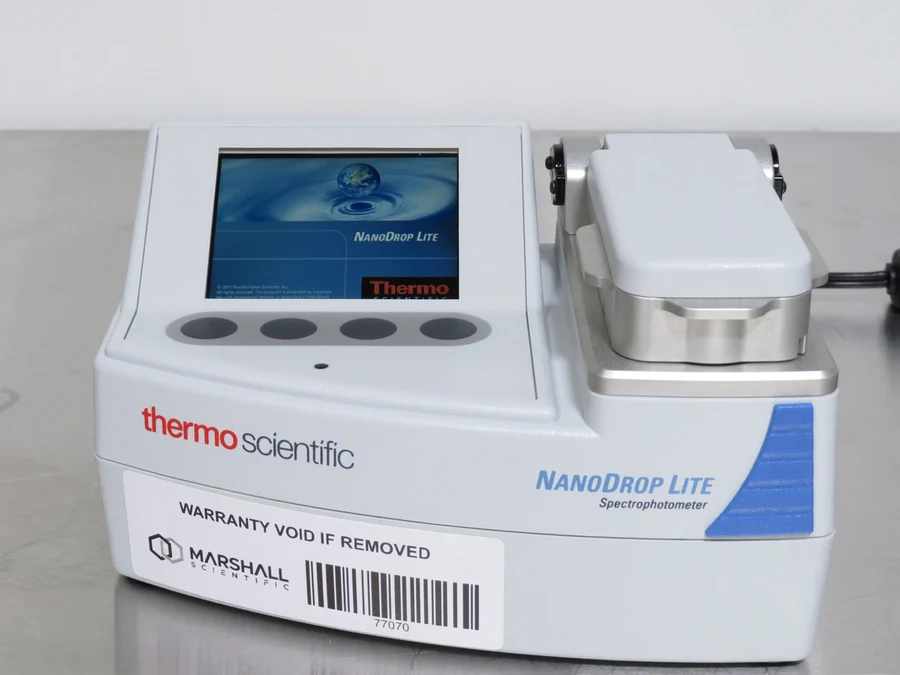
Equipment sought: Programmable UV–Visible spectrophotometer, compatible cells and sampling accessories.
Relevant experiments: Beer–Lambert calibration; concentration of an unknown; absorption peaks; reaction kinetics; comparison of selected solutions.
Remote access: Local sample preparation; approved spectral measurements and data export.
Station 07 · Phase 3 · Proposed
FTIR and Raman spectroscopy
Physics: Compare vibrational modes across reference spectra. Chemistry: Identify a polymer using diagnostic bands. Biology: Analyze a reference cellulose or chitin spectrum.
Equipment sought: Computer-controlled FTIR with suitable sampling accessories; Raman spectrometer with approved laser safeguards.
Relevant experiments: Functional-group identification; spectral fingerprints; polymer and material comparisons; vibrational-band assignment; Raman mapping where supported.
Remote access: Trained local sample handling; supervised acquisition and spectral interpretation.
Station 08 · Phase 2 · Proposed
Automated titration
Physics: Characterize electrode response and stabilization. Chemistry: Find acid concentration by potentiometric titration. Biology: Compare buffering in a cell-free bicarbonate model.
Equipment sought: Programmable potentiometric titrator, dosing system, sample changer, pH and conductivity probes.
Relevant experiments: Acid–base titration curves; endpoint determination; repeatability; pH and conductivity investigations.
Remote access: Local reagent preparation and waste handling; remotely observed automated measurements.
Station 09 · Phase 1 · Proposed
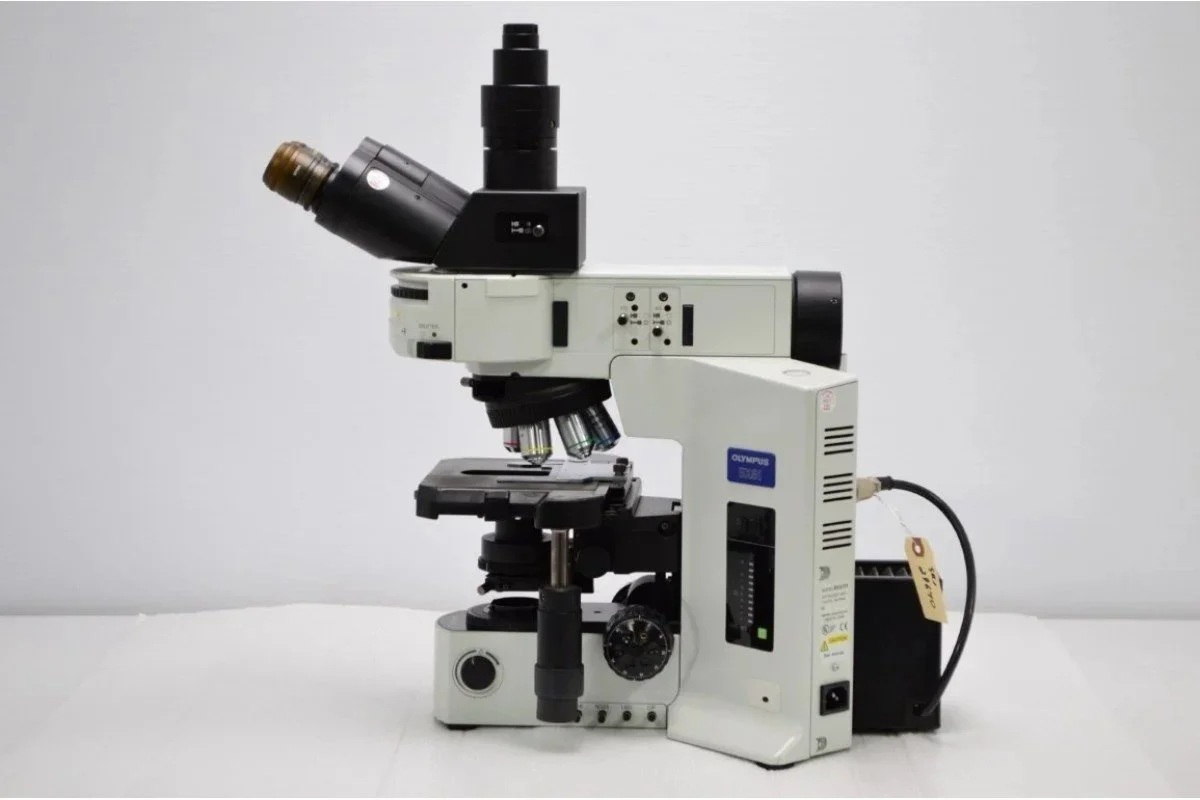
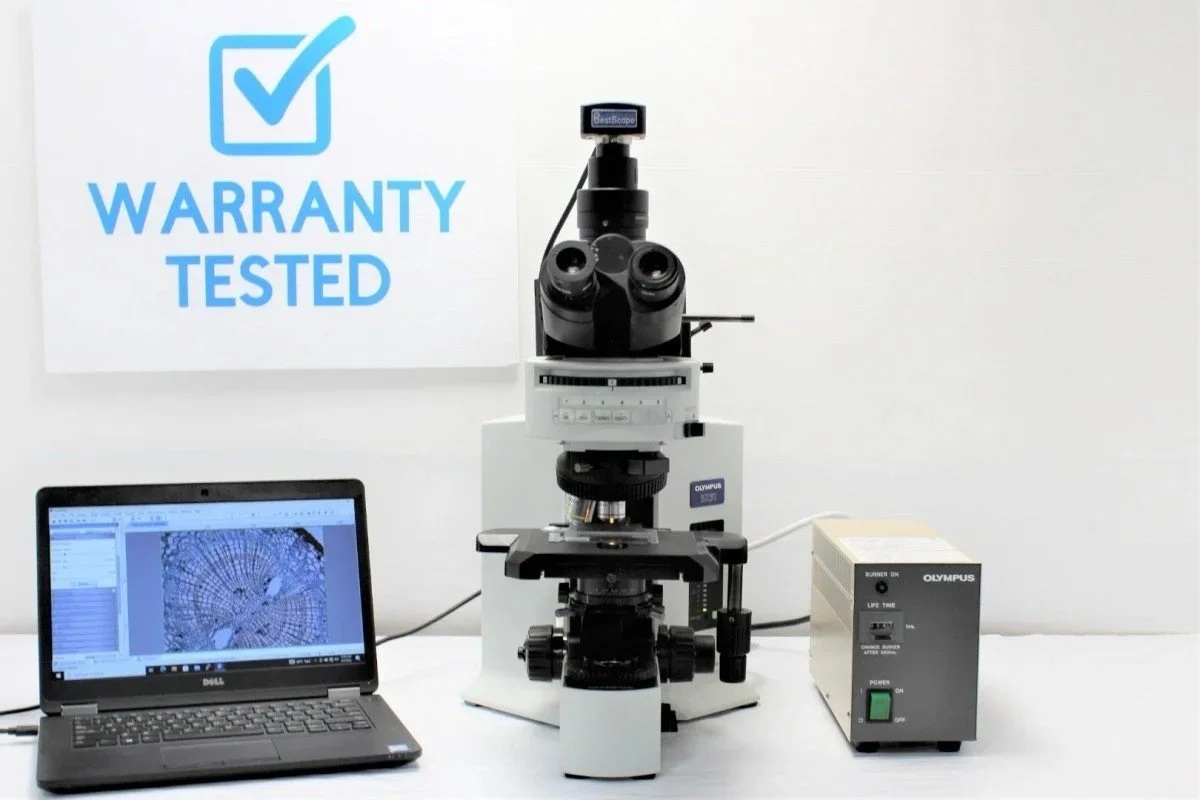
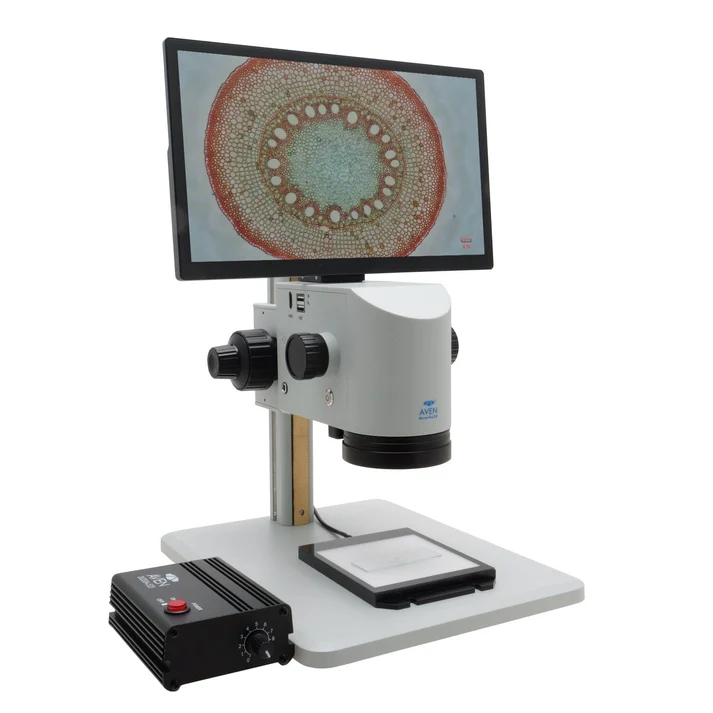
Digital microscopy and remote imaging
Physics: Calibrate optical magnification and resolution. Chemistry: Measure dimensions of a prepared salt crystal sample. Biology: Compare cell sizes on prepared slides.
Equipment sought: Digital microscopes, microscope cameras, motorized stages where available and image-capture computers.
Relevant experiments: Prepared plant and animal specimen observation; cell and tissue morphology; calibrated size measurements; image segmentation; field-of-view and magnification comparison.
Remote access: Live microscope-camera demonstrations; approved stage or focus control only where supported.
Station 10 · Phase 2 · Proposed
Assays and biological measurements
Physics: Check the stability of a temperature-controlled measurement. Chemistry: Fit reaction-rate curves from absorbance data. Biology: Compare enzyme activity at different temperatures.
Phase 2 assays use the station plate reader and may draw on UV–Vis capability commissioned in Phase 1.
Equipment sought: Shared programmable UV–Visible spectrophotometer; multimode microplate reader; temperature sensors and data loggers.
Relevant experiments: Colorimetric calibration; enzyme kinetics with approved materials; suitable pigment spectra; temperature-dependent assay investigations.
Remote access: Locally prepared assays, approved teaching materials and supervised measurement.
Station 13 · Phase 3 · Proposed
Sensors and data acquisition
Physics: Quantify sensor sampling error and aliasing. Chemistry: Calibrate a conductivity probe with salt standards. Biology: Track light and temperature in a plant-growth model.
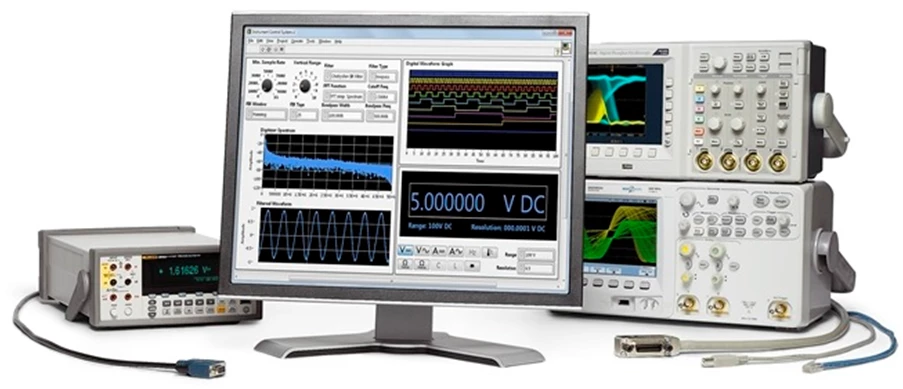
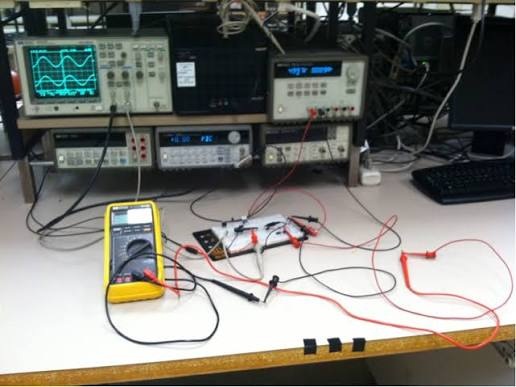
Equipment sought: Wireless sensors, Physics sensors, motion detectors, temperature and force sensors, data acquisition systems and data loggers.
Relevant experiments: Sensor calibration; sampling-rate effects; synchronization; noise and uncertainty; real-time monitoring; comparison of wired and wireless measurement workflows.
Remote access: Local gateway gathers sensor readings; remote users view traces and download timestamped data.